Harvest-Season Pressure: GPS Fleet Tracking For Grain And Farm Haulers
For grain haulers across Kansas and the rest of the Midwest, a year's revenue can depend on a few intense weeks.
Author:Mia ThompsonReviewer:Calvin PenwellOct 18, 2026
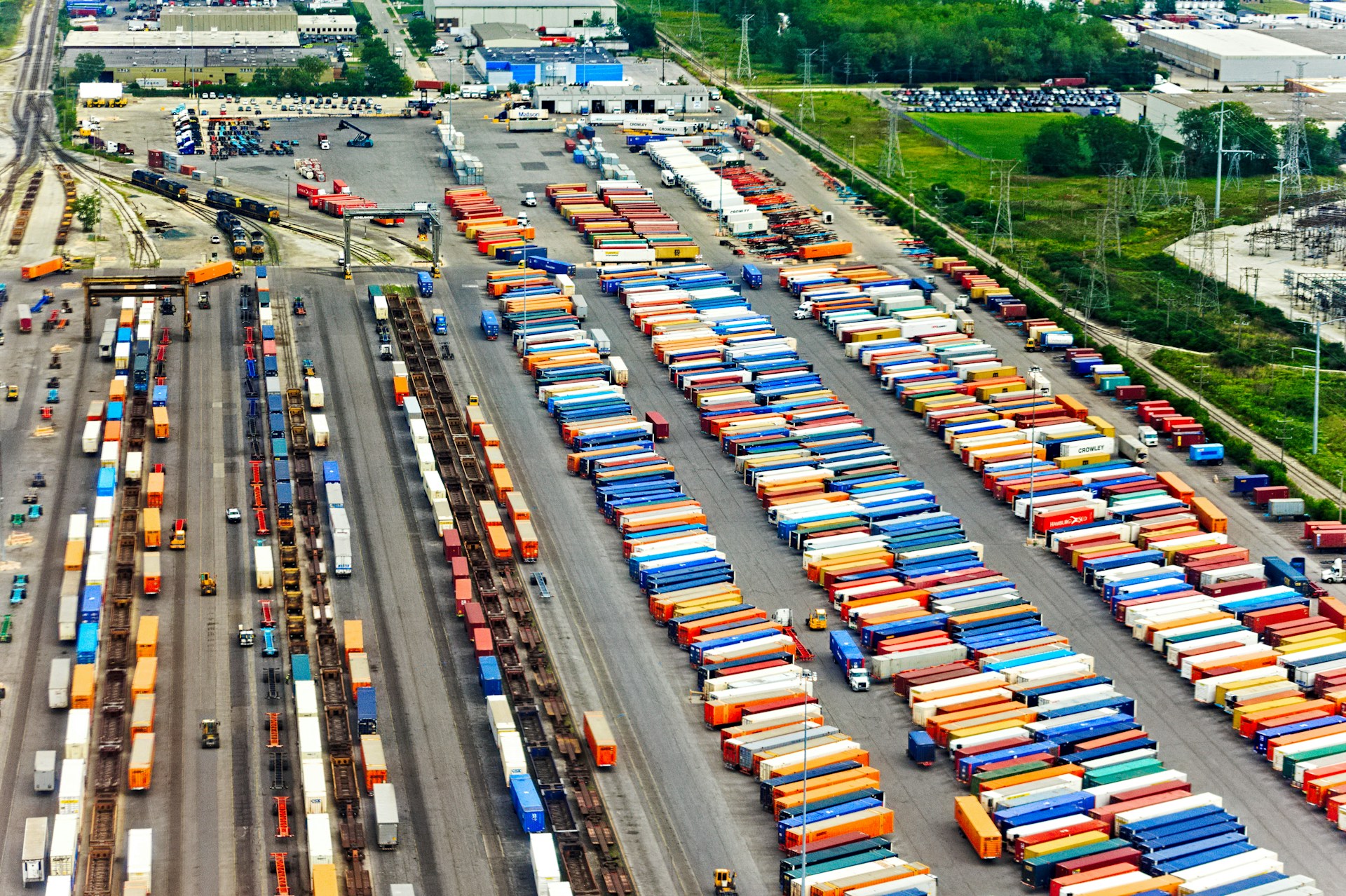
For grain haulers across Kansas and the rest of the Midwest, a year's revenue can depend on a few intense weeks. Wheat harvest in early summer and the fall run of corn, soybeans and sorghum bring long days, lines at the elevator and constant calls from farmers who need a truck at the field right now. A hauler with six or eight trucks has to keep every one of them moving, because a truck waiting in the wrong place is a load that someone else will take.
Why Harvest Is So Hard To Coordinate
Harvest schedules change by the hour. Rain stops combines in one county while the next one keeps cutting, a breakdown leaves a field full of grain with nowhere to go, and the wait at a busy elevator can stretch well beyond what the dispatcher planned. Most small hauling businesses still coordinate all of this by phone, with the owner calling drivers to ask where they are and how long they expect to sit in line.
Each call interrupts a driver who may be behind the wheel, and the answers are only as accurate as the driver's guess about the line ahead. By mid-afternoon, the dispatcher's picture of the fleet is often an hour out of date.
Distance from the farm also matters for compliance. During planting and harvesting periods set by each state, drivers hauling agricultural commodities within a 150 air-mile radius of the source are exempt from federal hours-of-service rules, but the rules apply again once a truck goes beyond that radius. A load headed to a terminal farther away than usual can quietly change a driver's obligations for the rest of the trip.
What GPS Fleet Tracking Adds During Harvest
With GPS fleet tracking, the dispatcher sees every truck on one map without calling anyone. When a farmer calls for an extra truck, the office can see which driver just unloaded nearby and send that truck instead of guessing. Trip records show how long trucks actually wait at each elevator, which helps when choosing where to send the next load or how to plan the following day.
Location history also supports the compliance side of the business. Knowing where a truck has been and how far it traveled from the field makes it easier to see when a trip moves beyond the agricultural exemption radius and normal hours-of-service rules come back into play. Requirements depend on the state's declared harvest period, the commodity and the type of operation, so haulers should check the current FMCSA guidance for their own situation.
After harvest, the season's data has a second use. A review of the records usually shows:
- which trucks ran the most hours and are due for service before winter
- which elevators and routes caused the longest delays
- how many miles trucks drove empty between loads
- which fields regularly kept trucks waiting
Those answers give the owner a starting point for planning the next season, from truck assignments to the order in which customers are served.
Harvest Hauling Questions
Is tracking useful for a fleet that only runs hard a few months a year? Harvest is exactly when visibility matters most. A small fleet that runs light in winter still benefits from mileage records and maintenance planning during the off-season, so the trucks are ready when the next crop comes in.
How should drivers be involved? Owners should explain what the system records and why, such as dispatching, wait times, maintenance and compliance, before installation. A clear explanation at the start of the season helps drivers see the tracker as a tool that cuts down on phone calls during the busiest weeks.

Mia Thompson
Author
Mia Thompson is a versatile writer at Kansas Press, delving into a range of topics including news, spiritual exploration, astrology, and numerology. With a passion for delivering insightful and informative content, Mia's articles provide readers with valuable perspectives and thought-provoking insights into these intriguing subjects.
She is dedicated to creating content that resonates with readers and fosters a deeper understanding of complex topics.

Calvin Penwell
Reviewer
Since diving into numerology in 1997, my path has been marked by extraordinary encounters and insights. A pivotal moment was uncovering a forgotten numerological manuscript in a tucked-away Italian library, which deepened my connection to the ancient wisdom of numbers. Another transformative experience was a meditation retreat in Nepal's tranquil mountains, where I honed my intuition and the art of interpreting numerical vibrations.
These adventures have not only enriched my numerological practice but also my ability to guide others towards understanding their destiny and life's purpose. My approach is deeply personal, rooted in a blend of historical knowledge and intuitive insight, aimed at helping individuals find their alignment with the universe's abundant energies. My mission is simple: to share the power of numerology in illuminating paths to abundance and fulfillment.
Latest Articles
Popular Articles