Is It Normal To Have A Headache After Reiki?
Experiencing a headache after Reiki? Learn about the possible reasons, how it may be related to energy release, and steps you can take for relief and well-being.
Author:Mia ThompsonReviewer:Calvin PenwellDec 27, 202340.2K Shares1M Views
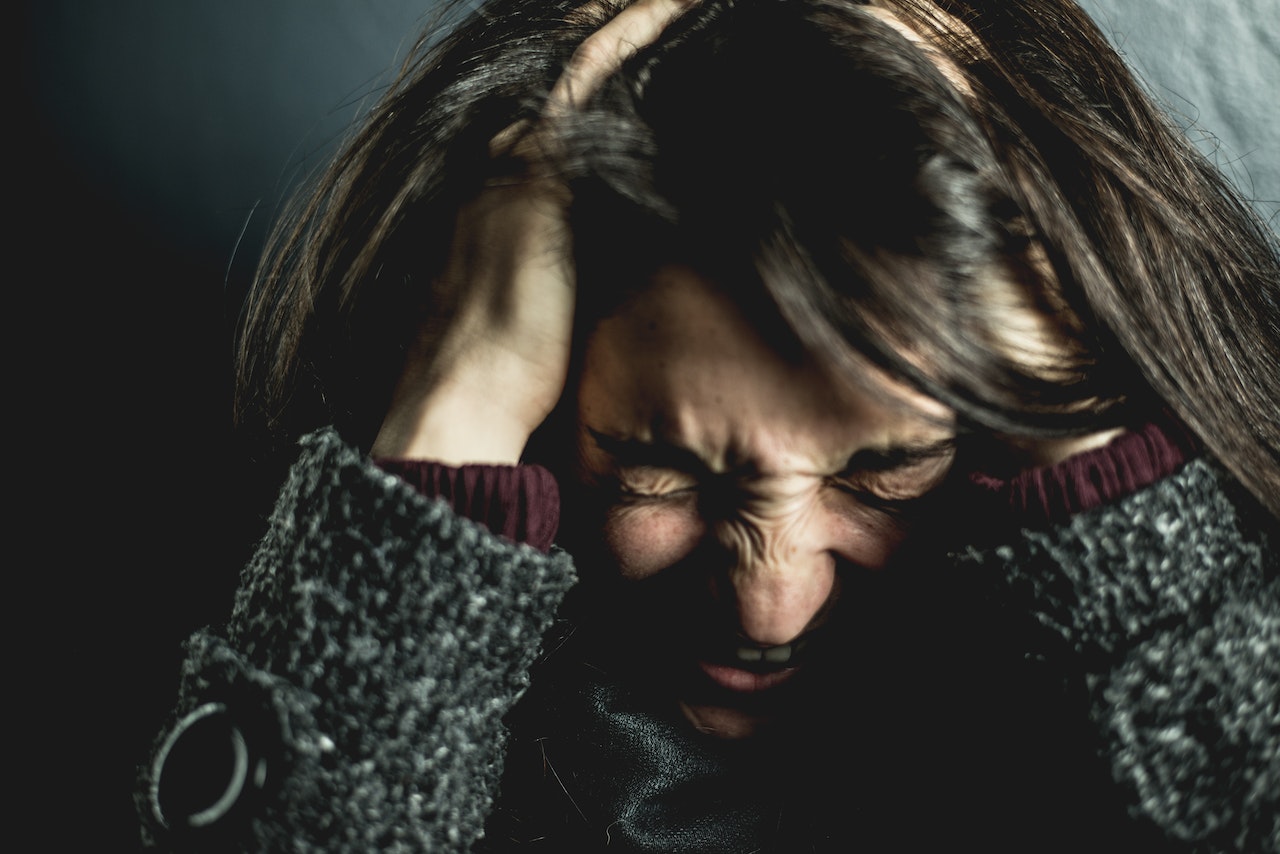
In the last few years, Reiki has become one of the most famous alternative healing methods. This Japanese method, which is often used to relax and relieve stress, has been suggested as a cure for several physical and mental problems.
But among all the good stories and comments, there is a less well-known but important issue that needs to be addressed, headache after reikihealing.
What To Know Before Getting Reiki?
It's important to think about what could go wrong with reiki. This information will help you make a good choice. There could be problems with reiki.

Limited Scientific Backing
Even though reiki has been used for a long time, there isn't enough proof to show that it works. Most of the studies that have been done on reiki have shown mixed results.
Plus, science still hasn't shown that the body has an energy field. Even if it does, science has no way of measuring how this energy could be moved or kept in balance.
It’s Unregulated
Reiki therapy lacks formal regulation. No one organization sets nationwide standards for.
- Education
- Training
- Credentials
- Certification
People without a background in healthcare can become reiki practitioners. Also, different practitioners can receive certification based on different requirements.
May Not Be Covered By Insurance
Reiki might be covered by health insurance if it's part of a treatment that is covered. For example, you might get reiki as part of physical rehab that your insurance pays for. Some practitioners offer lessons in exchange for donations. As they start to learn Reiki, students may also offer low-cost choices.
Experiences Vary
Different people say that reiki has different benefits. And getting reiki is an individual thing. It's hard to know how you'll feel or what you'll feel.
People are said to get better results from reiki when they are more open to what it can do. So, having doubts about the technique could change how you feel about it.
Does Not Treat Specific Conditions
Reiki is not a replacement for getting medical care. It doesn't help with any illnesses or problems. Instead, it wants to improve people's health as a whole. Even if you are getting reiki, it is still important to see a doctor if you have a sickness or problem.
The Science Behind Reiki - Neurological And Physiological Factors
Reiki is a natural treatment method that comes from old Japanese traditions. It has become famous because it is said to help people rest, reduce stress, and improve their general health. Reiki is used by a lot of people as an alternative medicine, but critics often question how it works.

Neurological Responses To Reiki
The brain is a key part of feeling and making sense of feelings, including those that come from Reiki. If you know how Reiki changes the way the brain works, you may be able to figure out why some people get headaches after a lesson.
Physiological Responses To Reiki
In addition to its effects on the brain, Reiki may also have direct physical effects that can cause headaches in some people. Here, we look at some of the most important physical effects of Reiki.
7 Things That Happen After Reiki Attunement
Changes in the body and the way you feel are normal after a Reiki Attunement. The Reiki training is meant to raise your level of energy. Changes must happen in your body because of this change in energy. When we go through big changes, it's generally not easy.
1. Back Pain After Reiki Attunement
Many people have lower back pain after getting Reiki. We all hope that hard mental work will make us feel good. Why does this keep happening?
The Chakra System connects seven main energy sources to seven parts of the body. The lumbar spine is in the Muladhara Chakra, which is the first chakra. Reiki practitioners put down energy roots in their Root Chakra so they can stay on the earth.
2. Feeling Strong Emotions After Attunement
Attunements to Reiki can bring on emotional breakdowns. This could make people cry, get angry, or worry. Emotional storms aren't always bad. Attunements to Reiki can sometimes make people happy or excited. Your energy routes have been opened, so you may feel a lot of different things after attuning.
Strength might make you forget how you feel. For Reiki training beyond the first degree, it is important to find your inner center. At the first meeting, clients may be upset. You might need to help your Reiki clients get over mental storms if you do Reiki as a job.
3. Digestive Issues After Reiki Attunement
Your gut is smarter than your mind. Scientists discovered that the gut has more neurons than the brain. Since your gut system responds to the same chemicals as your brain, a Reiki Attunement should help it.
The Third Chakra, Manipura, is where you get your drive, willpower, and power. Changes happen to motivation, drive, and focus. Most traumatic events that change how you feel are connected to the Solar Plexus Chakra. When the Solar Plexus Chakra is blocked, it can cause gut pain, diarrhea, or the inability to go to the bathroom.
4. Chest Pain After Reiki Attunement
But Reiki Attunement boosts your body's vibration, just like other body parts do so that dangerous energy can leave your body. How you carry this energy can give you chest pain, make you feel uncomfortable, and make it hard to breathe. I think you should see a doctor for a checkup.
5. Colds After Reiki Attunement
Reiki makes your defense system stronger. But it takes time, and many of us start with a weak immune system. This makes us sick quickly. Expect your mind, body, and soul to change in ways we won't be able to understand. Even though it's annoying, this means you're going in the right direction.
6. Headache After Reiki Attunement
The 6th Chakra, also called the 3rd Eye Chakra or Ajna, is where our sense energy is kept. It also makes your instincts and mental abilities stronger. The 3rd Eye gets a direct flow of energy when the Reiki Attunement is done.
Reiki practitioners say that this makes them more psychically aware. Poisonous energy can be pushed away by adding energy with a high vibration, like Reiki.
7. Insomnia After Reiki Attunement
The most common bad effect of Reiki Attunement is sleeplessness. After spending so much time on personal growth, not getting enough sleep is the worst.
It's hard to fall asleep. The Pineal Gland is deep in the brain, and the 6th Chakra is where it is. Most of what it says is probably about the 7th Chakra, Sahasrara. In response to light, the pineal gland lets out melatonin. Melatonin levels rise at night, making people feel sleepy.
Combating Headaches After Reiki
Even though headaches after a Reiki session can be scary, it's important to remember that they usually only last a short time and can be treated. Here are some things you can do to get rid of or avoid these headaches.

Hydration
Make sure you drink enough water before and after a Reiki lesson to avoid headaches caused by dehydration.
Gentle Self-Care
Do nice things to take care of yourself after a Reiki treatment. To help your body adjust to the changes in energy, you could take a warm bath, practice deep breathing, or meditate.
Communication With Your Practitioner
If you always get headaches after Reiki, you need to talk to your Reiki practitioner about this. They can change the lesson to fit your needs better and answer any questions you might have.
Rest
After a Reiki session, you need to rest. Give your body the time it needs to heal and work with the healing forces.
Keep A Journal
You might want to keep a diary to write down what happens after your Reiki practices. This can help you figure out trends and possible causes of headaches after a lesson.
The Relief Paradox Of Headache After Reiki
It's important to know that some people may get headaches after Reiki, but others say that their headaches or migraines get better. This contradictory effect suggests that Reiki's effect on headaches may be very individual, depending on things like the person's unique body, the skill of the Reiki practitioner, and the goals of the session.

The Role Of Intention In Reiki Sessions
Reiki is a method for healing the body, mind, and spirit as a whole. It is often described as the harnessing of global life force energy to heal the body, mind, and spirit. Intention is one of the most important parts of Reiki.
Understanding The Power Of Intention
Intention is when a person focuses his or her thoughts and wants on a specific goal. In Reiki, the practitioner's purpose is a key part of how healing energy flows to the person receiving it. The goal of this purpose is often to bring balance, well-being, and recovery to the body, mind, and spirit of the receiver.
Intention And Headaches - A Complex Relationship
In Reiki, intention is usually linked to good results, but there is a complicated link between intention and the chance of getting a headache after a treatment. Here are some important things to think about.
- Heightened Awareness - When people get Reiki, they often become more aware and sensitive.
- Emotional Release- Letting go of emotional and mental baggage is often a part of healing on purpose.
- Energy Redistribution - The goal of Reiki is to balance the energy of the person receiving it.
- Individual Differences- Each person's reaction to Reiki and the practitioner's goal can be very different.
Managing Headaches Arising From Intention
If a person gets headaches after a Reiki treatment that are caused by the practitioner's purpose, it's important to deal with these issues positively. Here are some ways to deal with these kinds of headaches.
- Open Conversation - It is very important to keep the lines of conversation open with the practitioner.
- Self-Care- Do things to take care of yourself after a Reiki treatment.
Acceptance And Integration - Realize that letting go of repressed feelings or energy blocks is often a part of the mending process.
Causes And Solutions For Reiki Headaches
There are two main reasons why Reiki can cause headaches. Let's look at each one because each one has a different answer.
Dehydration (Or Other Body Support Issues)
If you don't drink enough water before and after your Reiki lesson, that's the first reason you might get a headache. The easy answer is for people who get Reiki to drink at least one full glass of water right after their session and drink more water than normal the rest of the day.
Stress Can Bring A Headache After Reiki
As I've written in my pieces about Reiki for insight and images during Reiki, energy work is a very strong way to work through feelings. At the same time, it can bring up long-buried things that are hard to face.
For example, you might have a quick insight about where you want your life to go, or you might remember a long-lost memory that makes you feel strong emotions.
When To Seek Professional Medical Advice After Reiki
Reiki is an approach to healing that looks at the whole person. It can help you feel calm and emotionally healthy, among other things. Even though many people find Reiki treatments to be safe and helpful, there are times when it is important to talk to a doctor.

New Or Worsening Symptoms
If you get Reiki and then notice new or worsening signsthat you haven't had before, you should talk to a doctor. This includes any pain, discomfort, or strange feelings in the body that have nothing to do with what Reiki is supposed to do.
Severe Headaches Or Other Physical Symptoms
One of the most common worries about Reiki treatments is getting a headache. Mild headaches or pain may be a short-term reaction to energy changes or hormonal releases, but you shouldn't ignore serious or long-lasting headaches. If you get a severe or long-lasting headache after Reiki, you should see a doctor to rule out any other health problems.
Allergic Reactions Or Skin Issues
Essential oils or creams used in Reiki sessions can sometimes make people sick if they are allergic to them. If you get bumps, hives, or other allergy signs after a session, you should see a doctor right away. Allergic responses can be dangerous and need to be treated right away by a doctor.
Emotional Or Psychological Concerns
Reiki can sometimes bring up feelings that have been hidden for a long time. If you feel like you have too many feelings, worry, or signs of depression after a Reiki session, you might want to talk to a mental health worker. They can give you support and ideas to help you deal with these hard feelings.
Pre-Existing Medical Conditions
People who already have health problems should be careful when getting Reiki, especially if the practitioner wants to make big changes to their treatment plan. Talk to your primary care doctor to find out if Reiki will work with your current medical treatment and to talk about any possible side effects.
Headache After Reiki - FAQs
What Side Effects Does Reiki Treatment Have?
Most of the time, the side effects are mild. They can include brief tiredness, emotional outbursts, and in some cases, slight headaches.
How Long Does It Take For Reiki To Work?
A single Reiki session can make you feel calmer and healthier for hours or even days.
What Happens To The Nervous System When Reiki Is Used?
Through the parasympathetic reaction, Reiki may help calm the nervous system, making you feel less stressed and more relaxed.
When You Do Reiki Every Day, What Happens?
Using Reiki every day can help you feel better generally, lower stress, and find mental balance over time.
Conclusion
Reiki is still a powerful and popular way to relax, get back in balance, and heal. A headache after reiki may be uncomfortable but they aren't always dangerous. By understanding what causes these headaches and taking the steps above, you can get the most out of your Reiki experience and have fewer headaches afterward.
Jump to
What To Know Before Getting Reiki?
The Science Behind Reiki - Neurological And Physiological Factors
7 Things That Happen After Reiki Attunement
Combating Headaches After Reiki
The Relief Paradox Of Headache After Reiki
Causes And Solutions For Reiki Headaches
When To Seek Professional Medical Advice After Reiki
Headache After Reiki - FAQs
Conclusion

Mia Thompson
Author
Mia Thompson is a versatile writer at Kansas Press, delving into a range of topics including news, spiritual exploration, astrology, and numerology. With a passion for delivering insightful and informative content, Mia's articles provide readers with valuable perspectives and thought-provoking insights into these intriguing subjects.
She is dedicated to creating content that resonates with readers and fosters a deeper understanding of complex topics.

Calvin Penwell
Reviewer
Since diving into numerology in 1997, my path has been marked by extraordinary encounters and insights. A pivotal moment was uncovering a forgotten numerological manuscript in a tucked-away Italian library, which deepened my connection to the ancient wisdom of numbers. Another transformative experience was a meditation retreat in Nepal's tranquil mountains, where I honed my intuition and the art of interpreting numerical vibrations.
These adventures have not only enriched my numerological practice but also my ability to guide others towards understanding their destiny and life's purpose. My approach is deeply personal, rooted in a blend of historical knowledge and intuitive insight, aimed at helping individuals find their alignment with the universe's abundant energies. My mission is simple: to share the power of numerology in illuminating paths to abundance and fulfillment.
Latest Articles
Popular Articles